























作者:加密追踪者
Momentum behind a major U.S. crypto regulation effort slowed this week after the Senate Banking Committee postponed action on its market structure bill.
The delay followed Coinbase’s public withdrawal of support and underscored disagreements that lawmakers were unable to resolve ahead of a scheduled committee vote.
Key Facts
- The Senate Banking Committee canceled its planned markup on Thursday.
- The postponement was announced late Wednesday, with no new date set.
- Coinbase withdrew its support for the bill on Wednesday after reviewing draft language.
- The legislation seeks to clarify federal oversight of U.S. crypto markets.
- Disputes over stablecoin rewards and ethics provisions remain unresolved.
Why the Committee Paused the Process
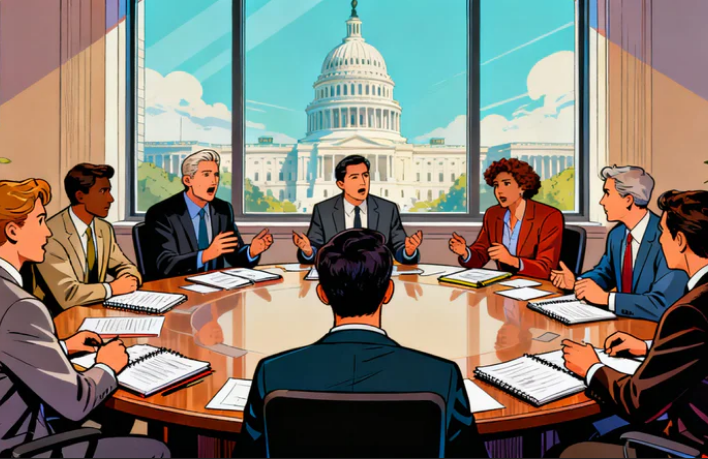
The decision to delay came as doubts grew over whether the bill could advance in its current form. Chairman Tim Scott said negotiations are ongoing, but acknowledged that divisions among lawmakers and stakeholders made immediate action impractical.
In a statement, Scott emphasized that bipartisan discussions continue with industry participants and financial regulators. However, he conceded that key issues could not be settled in time for the committee’s planned meeting, prompting the late postponement.
Coinbase’s Withdrawal Raises Stakes
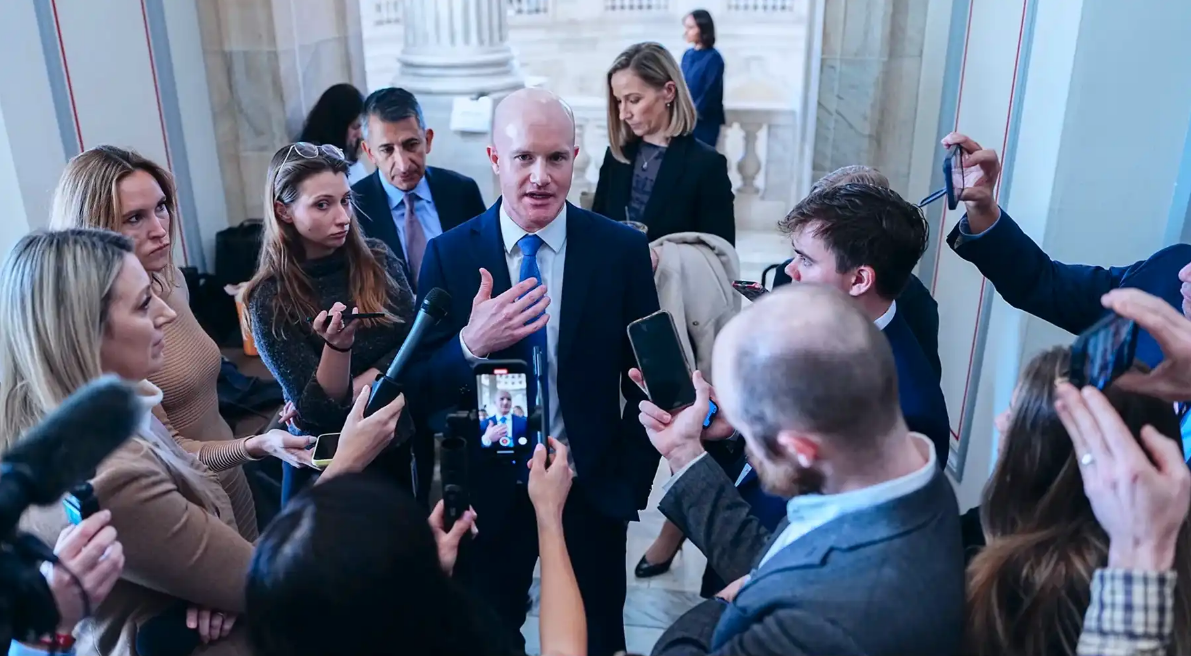
Although talks were already strained, Coinbase’s announcement brought fresh scrutiny to the bill’s shortcomings. On Wednesday, CEO Brian Armstrong said the company could no longer support the legislation after reviewing its provisions.
Armstrong cited multiple concerns, including restrictions on tokenized equities and expanded government access to records of decentralized finance. He also criticized changes that would diminish the Commodity Futures Trading Commission’s role in favor of the Securities and Exchange Commission.
Additional objections focused on proposed amendments affecting stablecoin rewards and competitive dynamics between banks and crypto firms.
After reviewing the Senate Banking draft text over the last 48hrs, Coinbase unfortunately can’t support the bill as written.
There are too many issues, including:
– A defacto ban on tokenized equities
– DeFi prohibitions, giving the government unlimited access to your financial…— Brian Armstrong (@brian_armstrong) January 14, 2026
Stablecoin Rewards Emerge as a Central Fault Line
Those objections intersect with one of the bill’s most contentious elements: stablecoin rewards programs. Large Wall Street banks have lobbied heavily against crypto yield products, arguing they pose risks to traditional banking models.
According to people familiar with the negotiations, that lobbying effort resonated with lawmakers in both parties. Consequently, Scott was unable to secure unanimous support from Republicans on his own committee, complicating the bill’s path forward.
Ethics Disputes Add Another Layer of Tension
Meanwhile, Democrats pressed for stronger ethics provisions to prevent senior government officials from personally profiting from crypto-related activities.
Negotiators said the White House, under President Donald Trump, rejected the proposals because they could affect his family’s financial interests. Scott responded on Wednesday that such matters fall under the jurisdiction of the Senate Ethics Committee, not the Banking Committee.
Industry Signals the Process Is Not Over
Despite the setback, industry leaders stressed that the delay does not mark the end of the legislative effort. Blockchain Association CEO Summer Mersinger described the pause as an opportunity for reassessment rather than failure.
She said complex policy areas, such as digital asset market structure, often require additional time for refinement. That view reflects a broader belief that negotiations will continue behind the scenes.
What Comes Next for Crypto Regulation
Looking ahead, the Senate Agriculture Committee has already postponed its markup of a related crypto bill until later this month. Because both committees must advance legislation before a final bill can be assembled, progress now depends on parallel negotiations.
The Banking Committee’s work remains a cornerstone of the broader U.S. push to regulate crypto markets. After years of lobbying and political spending, the current pause marks a pivotal moment. Ultimately, whether lawmakers can bridge the remaining gaps will determine the future shape of federal crypto oversight.

No Comments